
 en
 Español
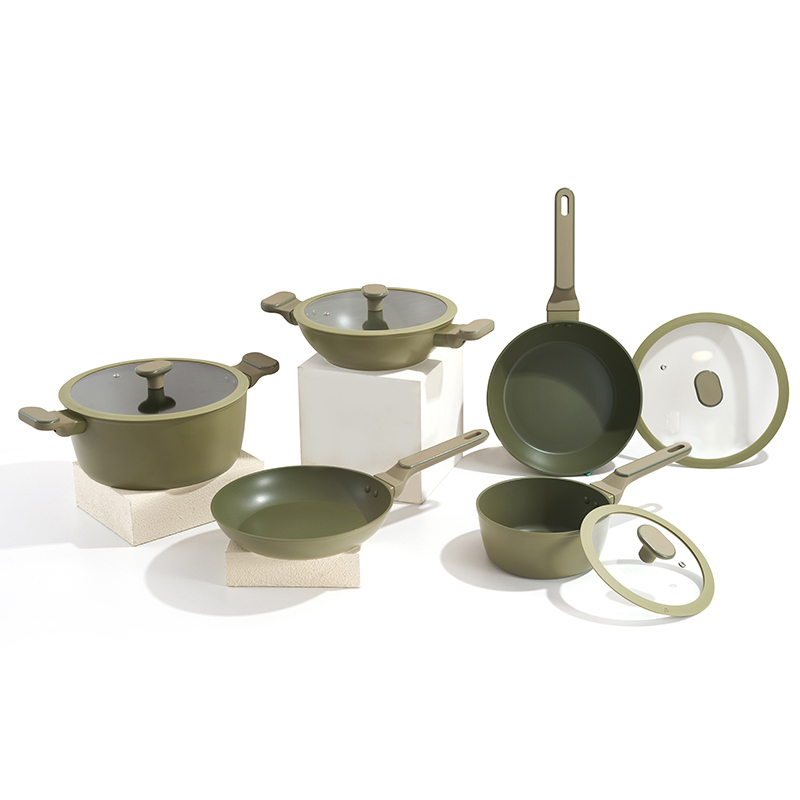
This cookware set features a non-stick coating, even heat conduction, and multi-...
See Details
Supplier Contracts: Which Terms Matter in Cookware Sourcing
Date:Oct 23, 2026
A cookware sourcing agreement involves more than a unit price and a shipping schedule. Buyers also need clear expectations for product specifications, quality inspections, payment arrangements, delivery responsibilities, and after-sales support. Missing details can create disagreements even when both parties intend to complete the order successfully.
At ECHO Kitchenware, we believe a well-prepared supply agreement gives both sides a practical framework for managing orders and resolving unexpected issues. Working with a professional cookware company should involve transparent communication and written terms that reflect the actual purchasing requirements. The following clauses deserve careful review before a cookware order is confirmed.

1. Product Specifications and Approved Samples
Product specifications establish the reference for manufacturing and inspection. General descriptions such as aluminum cookware set or stainless steel pot may not provide enough information for a customized order.
We recommend including these details in the agreement or its technical attachments:
- Material and construction: Identify the body material, thickness where applicable, coating, handle material, and lid construction.
- Dimensions and capacity: Record pot diameter, height, volume, and other relevant measurements with agreed tolerances.
- Product configuration: List each cookware item, lid, utensil, and accessory included in the set.
- Approved sample: Reference the approved sample, product drawings, and specification version used for order acceptance.
Any change to materials, dimensions, colors, or components should require documented approval. This helps both parties maintain consistency between the agreed design and the supplied goods.
2. Quality Standards and Inspection Procedures
A contract should explain how product quality will be evaluated rather than relying on general promises. Clear acceptance criteria help purchasing teams and suppliers assess the same requirements.
For cookware orders, the inspection plan may cover surface finish, dimensional accuracy, coating condition, handle attachment, lid fit, and packaging integrity. Functional tests should reflect the product type and intended use.
- Define inspection timing, sampling methods, and the party responsible for inspection costs.
- Identify critical, major, and minor defects where a defect classification system is used.
- State the process for reporting nonconforming products and providing supporting evidence.
- Specify available remedies, such as repair, replacement, credit, or another mutually agreed resolution.
At ECHO Kitchenware, we encourage buyers to discuss inspection expectations before production begins. Written criteria reduce uncertainty during pre-shipment checks and after goods reach the destination warehouse.
3. Payment Terms and Quotation Details
Payment clauses should explain how and when each payment becomes due. The contract should identify the currency, deposit amount, balance payment conditions, invoice requirements, and applicable bank charges.
Buyers should also confirm what the quotation includes. Product costs, customized packaging, tooling, testing, export documentation, and freight may be priced separately depending on the order arrangement.
- Payment milestones: Connect payments to clearly defined events, such as order confirmation or completion of an agreed inspection.
- Additional charges: Require written approval for costs outside the confirmed quotation.
- Disputed amounts: Establish a procedure for reviewing invoices or documented quality claims.
Payment structures vary with order value, supplier relationships, and transaction risk. Both parties should agree on workable terms rather than relying on assumptions about standard industry practice.
4. Delivery Responsibilities and Shipping Terms
Delivery clauses should define the shipment schedule, destination, packaging requirements, and allocation of transportation responsibilities. International cookware purchases also require clarity about customs documentation and the point at which shipping risks transfer between the parties.
Using an appropriate Incoterms rule can help clarify responsibilities for transportation, export clearance, import clearance, and insurance. The agreement should name the specific rule and location rather than using an abbreviation without context.
Buyers should also establish how schedule changes will be communicated. The contract can identify notification requirements, revised shipment arrangements, and remedies for delays attributable to either party. Delays caused by late artwork approval or specification changes may need different treatment from delays caused by production problems.
5. Warranty, Returns, and Defect Claims
Warranty language should explain which defects are covered, how claims are submitted, and what remedies are available. A statement that products carry a warranty is less useful without a defined process.
- Specify the warranty period and the event that starts it.
- Define the evidence required for a claim, including photographs, batch details, and inspection records where relevant.
- Clarify responsibility for return freight, replacement shipments, and related expenses.
- Distinguish manufacturing defects from transit damage and damage caused by use outside the product instructions.
Cookware packaging deserves particular attention because damaged cartons, broken glass lids, and scratched surfaces may generate disputes about responsibility. Packaging standards and agreed transit tests can help determine how such claims should be assessed.
6. Intellectual Property and Confidential Information
OEM and ODM projects may involve custom logos, product drawings, packaging artwork, molds, or other design materials. The contract should clarify who owns these assets and how each party may use them.
We recommend documenting ownership of buyer-funded tooling, permission to reproduce branded products, confidentiality obligations, and procedures for returning or transferring relevant files after a project ends. Buyers should also clarify whether any design elements can be used in other customer projects.
These terms are particularly important for private-label programs, where product differentiation and brand consistency contribute to commercial value.
7. Compliance and Dispute Resolution
Cookware requirements vary by destination market and product category. The agreement should identify applicable food-contact rules, labeling obligations, and required test reports or certificates for the specified products. Buyers should verify that supporting documents cover the relevant material and model.
The contract should also state how disagreements will be handled. Useful provisions include an initial discussion between designated contacts, an escalation process, the governing law, and the agreed court or arbitration venue. The parties should confirm these provisions with qualified legal advisers for the relevant jurisdictions.
Put Purchasing Expectations in Writing
A clear cookware sourcing contract connects commercial terms with practical order management. Product specifications, inspection standards, payment milestones, shipping responsibilities, warranty procedures, intellectual property, and compliance requirements all deserve attention before an order moves forward.
At ECHO Kitchenware, we welcome detailed discussions about product requirements, customized cookware projects, packaging arrangements, and export documentation. Sharing these expectations early helps both parties prepare a quotation and purchasing agreement that reflects the scope of the project.
Before confirming your next cookware order, review the proposed contract against your technical specification sheet and purchasing plan. Clear responsibilities and documented approval procedures can help build a more dependable working relationship throughout the supply process.
Recommended Articles
Product Category
Related products
-
-
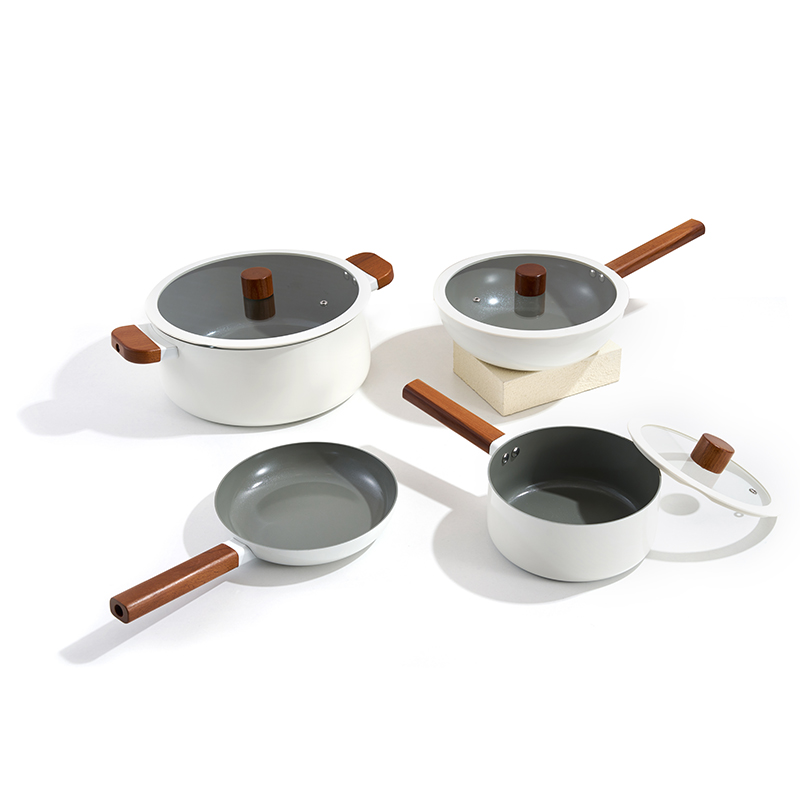
This cookware set has a ceramic non-stick inner liner, a heat-resistant wooden h...
See Details -
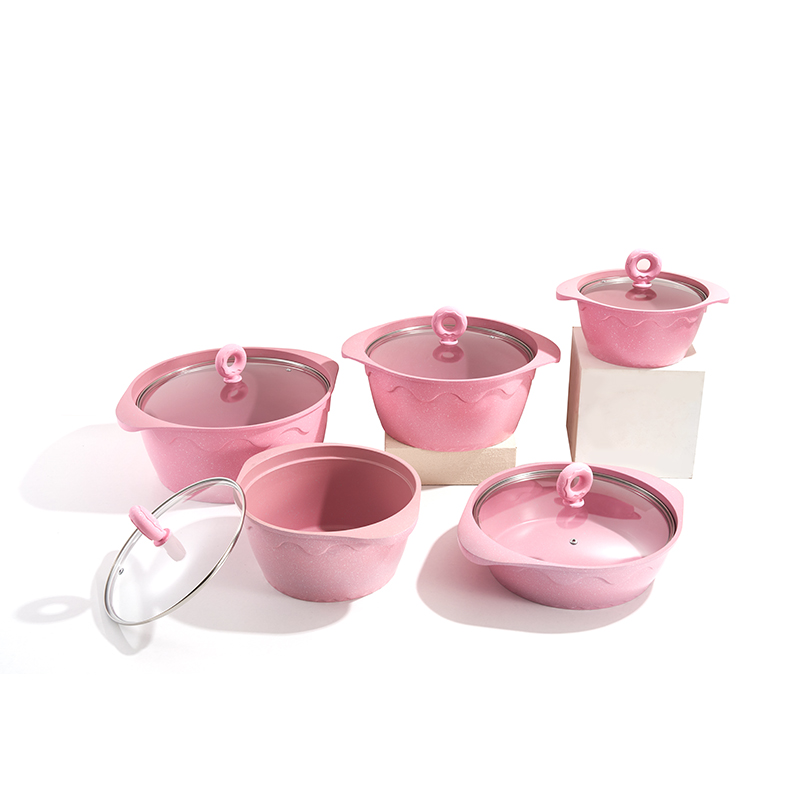
This cookware set is made of food-grade non-stick material, with a unique eye-ca...
See Details -
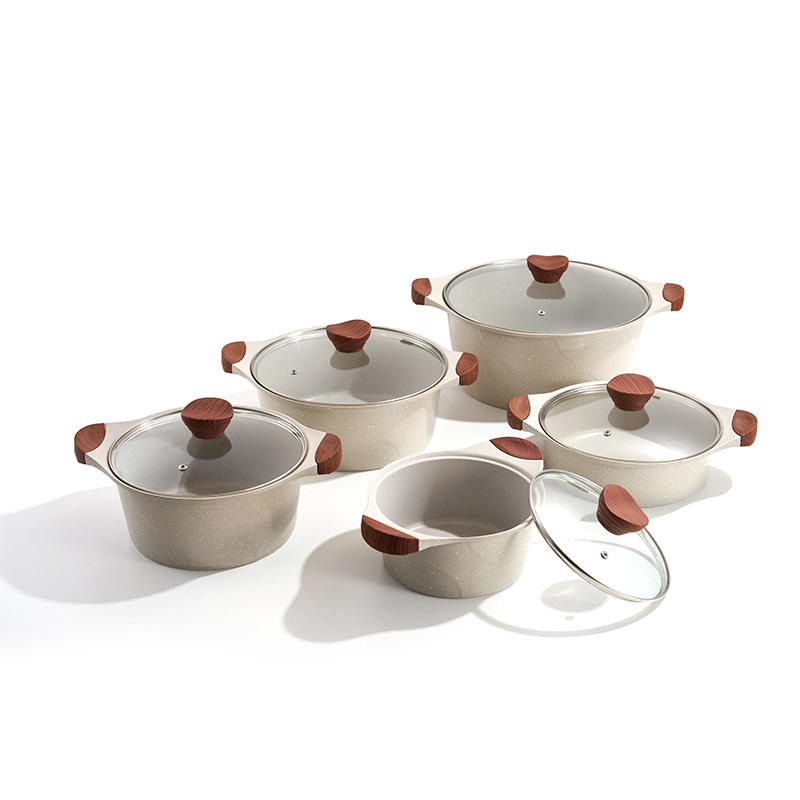
This off-white cookware set is made of wear-resistant non-stick material, with w...
See Details
Whether you're looking for bulk purchases or have any custom requirements, We are here to offer the best
solutions for you.
tiffany.zhong@echocn-trading.com
PHONE
+86-19561173975
+86-19557020621 (Hazel Wu)
ADD
Room 301, Unit 3014, No. 175 Qifeng Avenue, Wenqiao Town, Taizhou, Zhejiang, China
Fill Out the Form for More Information
Copyright © Zhejiang Echo Industry And Trade Co., Ltd.
All Rights Reserved.

China Cookware Set Manufacturer